
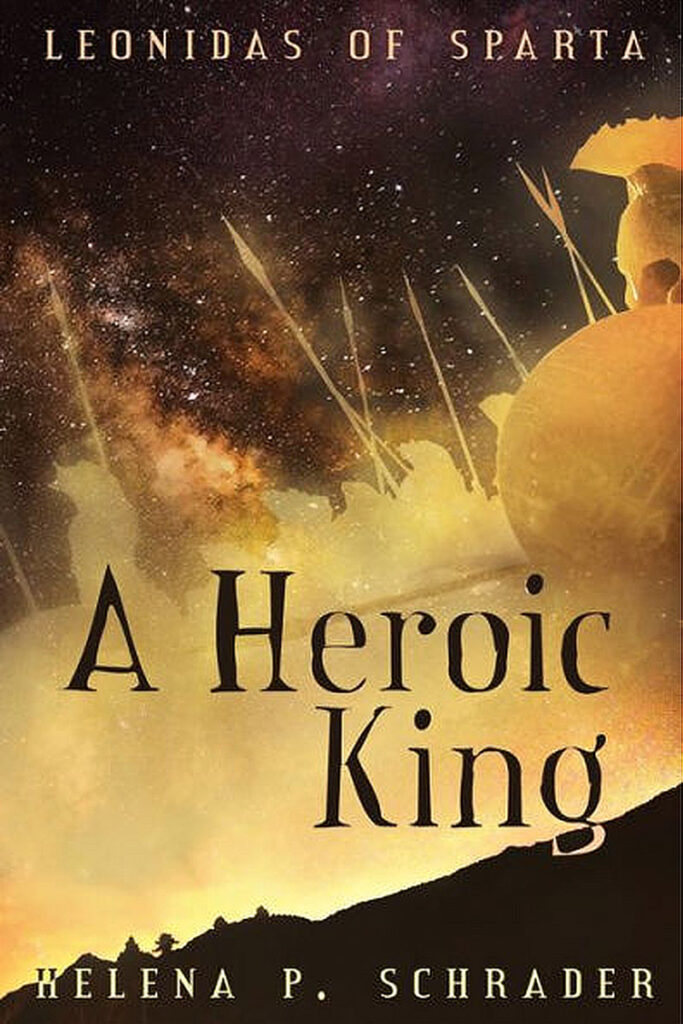
Leonidas Trilogy, Book III
Leonidas: The Hero of Thermopylae
In 480 BC he would defy an army half a million strong.
But who was Leonidas?
The murder of a Persian ambassador sets in train conflict between Sparta and Persia. Yet with the Eurypontid House in disarray and the Agiad king dangerously mad, the responsible citizens turn to Leonidas for leadership. When his elder brother commits suicide, Leonidas is poised to become king — except that his twin brother stands in his way.
Meanwhile, the Persians have landed an army at Marathon, and Athens pleas for Spartan help. Leonidas is entrusted with command of the troops sent to Athens’ aid. As he hastens north, he cannot know that is the first step on his journey to Thermopylae — and into legend.
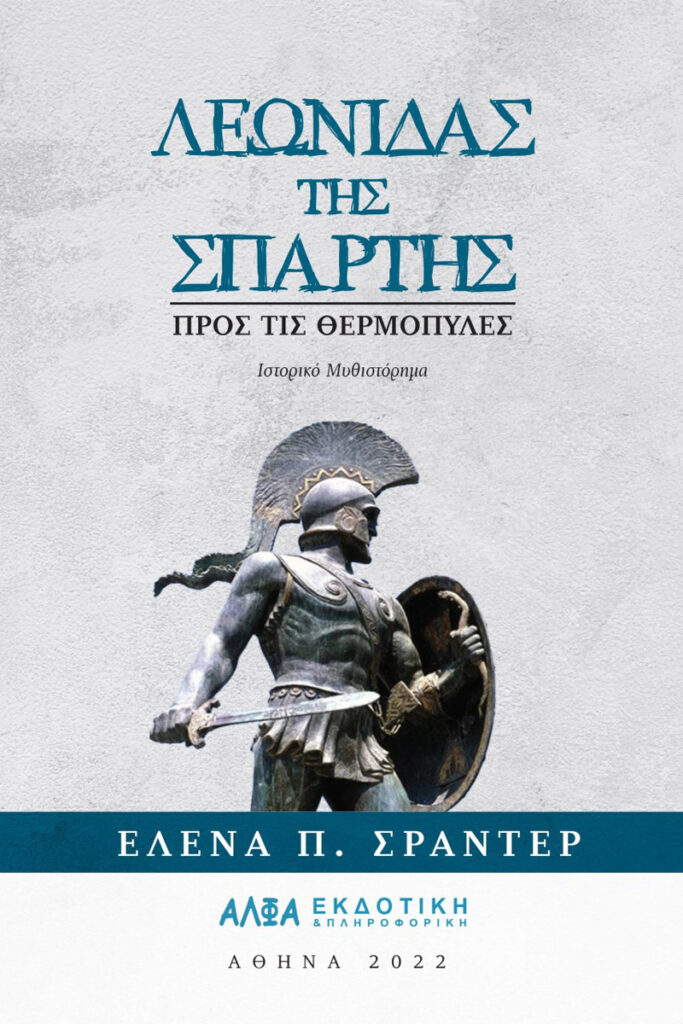
Greek edition is available from Alpha Publishing, Athens
Reviews Excerpts
“I have been an avid reader of historical fiction for fifty years, and I have never encountered a work as exciting, fascinating, satisfying and well-researched as Helena Schrader’s trilogy about Leonidas of Sparta.” Robin E. Levin
“This was a fantastic book on King Leonidas. I also read Gates of Fire and this one was so much better.” Nathan Nicholas
“Truly one of the best books I’ve ever read. Brought chills to my spine.” Jim Rodgers
“Recent years have seen an explosion of interest in Spartan history, often centered around the battle for Thermopylae (which naturally forms the vivid denouement of A Heroic King), with new nonfiction books and documentaries as well as cheesy and dishonest efforts such as the deplorable “300” and the grossly overrated, disturbing, tiresome, and crypto-fascist (in my opinion) Steven Pressfield novel Gates of Fire, which cannot hold a candle to this book. Readers looking for an engaging and informed recreation of life in Sparta at the beginning of the classical era and how this remote city-state came to lead the defense of the West can ask for no better novel.” R.L. Holly
“An excellent historical fiction with several anchors from the historical record that make the story possible and immensely entertaining.” David W. May